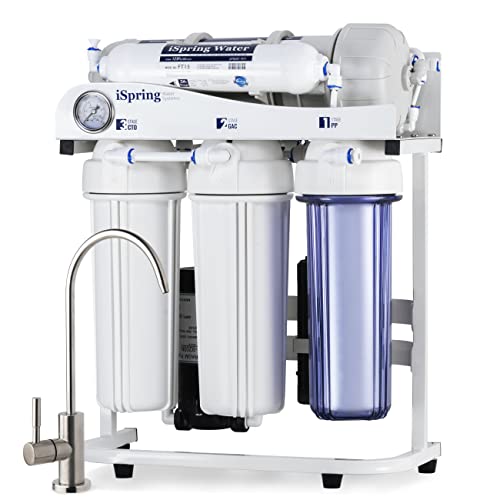
Commercial water filtration systems
Higher-capacity filtration and softening for cafés, restaurants, offices, salons, gyms and other premises, where flow rates, compliance and documented maintenance all matter.
Commercial water treatment differs from domestic in three ways that all matter more than the hardware does. Flow rates are higher, so equipment sized for a house will not cope. Downtime is expensive, so bypasses and duty-standby arrangements become worth their cost. And there is usually somebody who will want to see records.
The commonest commercial driver in the UK is not drinking water at all — it is protecting equipment. An espresso machine, combi oven, dishwasher or steamer in a hard water area will fail early and expensively without treatment, and most manufacturers make some form of water treatment a warranty condition.
Food businesses have the additional consideration that water is an ingredient, and food safety management systems generally expect filtration and its maintenance to be documented. Keeping the service records is part of the installation, not an afterthought.
Best for
- Cafés and coffee shops
- Restaurants and commercial kitchens
- Offices with drinking water points
- Salons and barbers
- Gyms and leisure facilities
- Any premises with steam or heated water equipment in a hard water area
This category is commercial by definition.
Pros and cons
Pros
- Sized for real commercial flow rates
- Protects expensive equipment and its warranty
- Supports documented maintenance for food safety systems
- Serviceable without shutting the business down, if specified properly
Cons
- Considerably more expensive than domestic equipment
- Needs professional sizing against actual demand
- Servicing is a contract, not a DIY task
- Space requirements are often underestimated at fit-out
Can you install it yourself?
Get a plumber for this one
Skill level: Professional
Commercial installation involves sizing against measured demand, backflow protection appropriate to the fluid category on the premises, and in food businesses an installation that will satisfy an environmental health inspection. It is specialist work and is priced accordingly.
Call a plumber if
- Always
Maintenance
Typically a service contract with six-monthly or quarterly cartridge changes, driven by measured volume rather than time.
Replacement interval: roughly every 6 months, though volume matters more than time. More on cartridge intervals.
What installation costs
£600–£2500 indicative UK labour
Enormously variable with scale and premises. Treat this range as an indication that quotes are essential, not as a guide price.